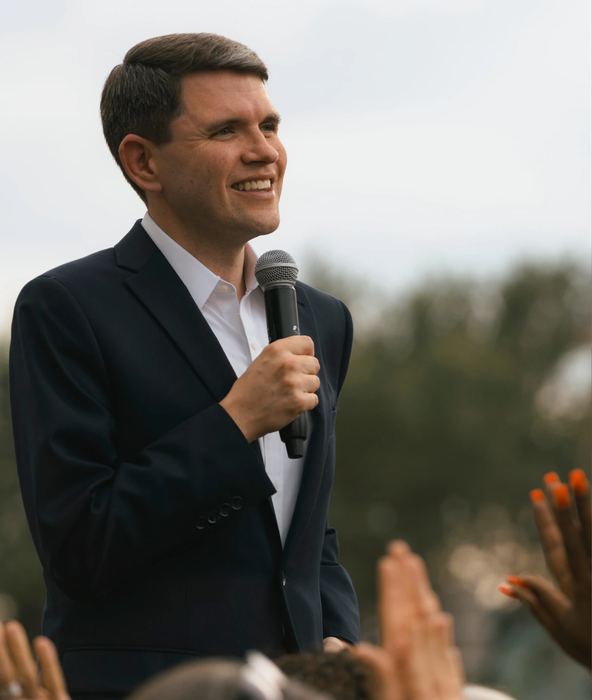
Community Resistance Project
2026 midterms · six races, one majority

Six seats away.
Take it back.
Vote like democracy
depends on it.

Republicans hold the Senate by a three-seat margin. Democrats need a net gain of four to retake it — and the entire path runs through six states rated true toss-ups by independent analysts. This is where a vote, or a dollar, goes furthest. See the six races, then make your pledge.

Be one of the first to pledge — add yours below.

Six races that will decide the Senate

Of the 35 Senate seats up in 2026, independent analysts rate just six as true toss-ups — races either party could win. Every link below goes straight to the candidate's own campaign site.

  • Democrats need four seats. Republicans hold a 53–47 majority, and the entire path to flipping it runs through these six states.
  • The majority controls what happens. Scheduling of bills, confirmation of federal judges and cabinet officials, and which committee chairs hold subpoena power.
  • None of these is a safe bet. Three are open seats with no incumbent running. Two feature Sherrod Brown and Mary Peltola, both trying to reclaim seats they lost in 2024.

All six are close enough that outside spending will be heavy through November — which is exactly why an early donation goes further than one made in the final weeks.
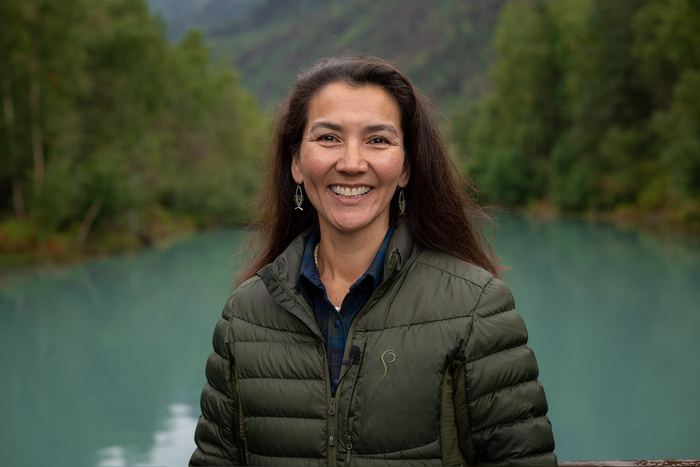
Mary Peltola

Alaska

Toss-up

A closely watched, competitive race in a state that has elected independents before.

Mary Peltola (D) vs. Dan Sullivan (R, incumbent)

A barrier-breaking former House member who out-ran the top of her ticket by 16,000 votes — Peltola knows how to win Alaska.

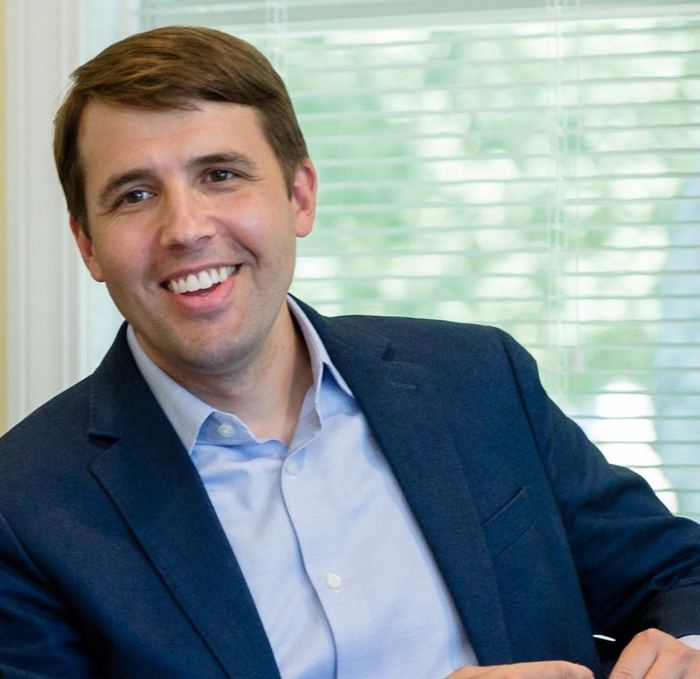
Josh Turek

Iowa

Toss-up

Open seat — moved from Lean R to Toss-up on Aug 20, one of the sharpest shifts this cycle.

Josh Turek (D) vs. Ashley Hinson (R)

Turek won his primary with 63% of the vote — a Democrat with real momentum in a state no one thought would be in play.

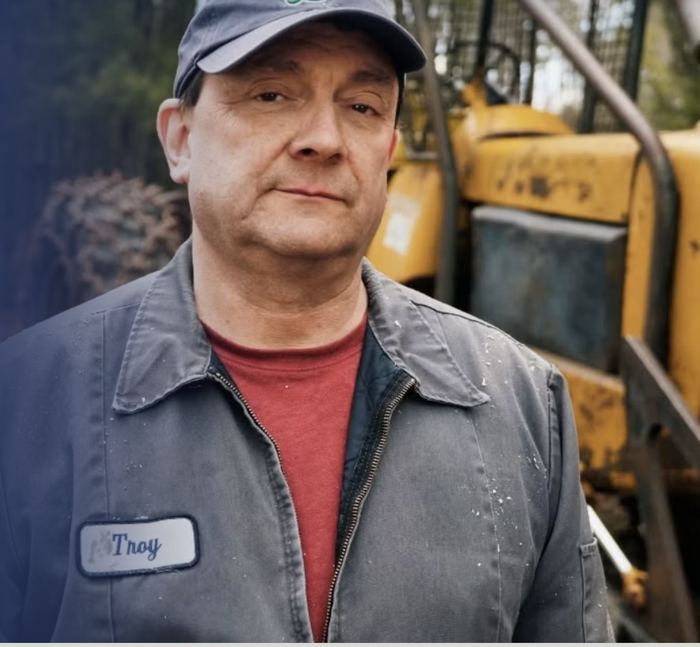
Troy Jackson

Maine

Toss-up

Incumbent Susan Collins (R) facing her most competitive race in years — the Democratic nominee changed in July after the primary winner withdrew.

Troy Jackson (D) vs. Susan Collins (R, incumbent)

A longtime state Senate leader and logger's son who rallied Maine Democrats behind him almost unanimously — Jackson is ready to end Collins's run.

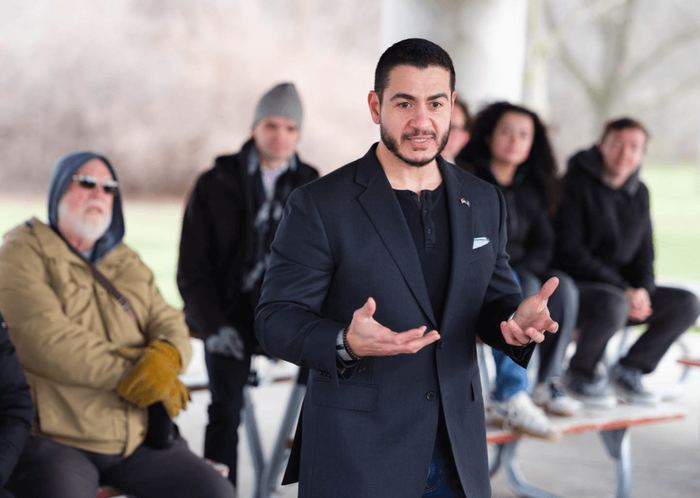
Abdul El-Sayed

Michigan

Toss-up

Open seat — El-Sayed won a contested primary over Rep. Haley Stevens in early August.

Abdul El-Sayed (D) vs. Mike Rogers (R)

A doctor and former health official who beat the establishment favorite — El-Sayed is exactly the kind of fighter this seat needs.

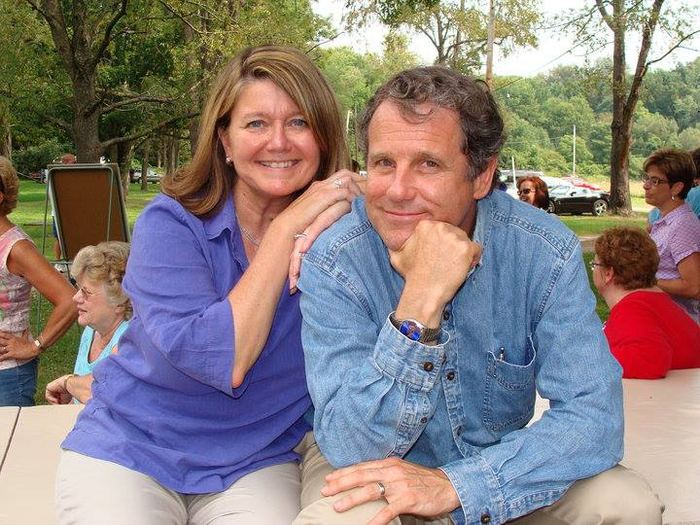
Sherrod Brown

Ohio

Toss-up

Special election for the remainder of JD Vance's term — Brown is trying for a comeback after losing his seat in 2024.

Sherrod Brown (D) vs. Jon Husted (R, appointed incumbent)

Three terms, a lifetime of standing up for working people, and he's not done — Brown is the comeback Ohio Democrats have been waiting for.

James Talarico

Texas

Toss-up

Open seat — moved to Toss-up on Aug 20 after tight statewide polling.

James Talarico (D) vs. Ken Paxton (R)

A young state legislator making the case that even Texas is in play — Talarico is turning heads nationally for a reason.

Race ratings: Cook Political Report, updated Aug 20, 2026. Ratings shift as the cycle develops — this section should be refreshed periodically rather than treated as static.

Links above go directly to each candidate's own campaign website. The Community Resistance Project does not collect, process, or bundle donations. Not authorized by any candidate or candidate committee.

How to Vote

Everything you — and everyone you motivate — need to vote, in four steps. Forward freely.

Outside California? Start at vote.org — registration, ballot info, and polling places for all 50 states.

The four steps below link to California's state voter registration and ballot-tracking sites.

Vote early. The sooner ballots are in, the bigger and harder-to-dispute the margin looks — and it leaves time to fix a problem like a missing signature before the deadline. Don't wait for Nov 3.

WE THE PEOPLE can influence this election.

Let's each do what we can to GET MORE PEOPLE TO VOTE. If hundreds of us take this pledge — and we each actually get a few more people to vote — we could change the outcome of a district. If thousands of us take this pledge, we could change the outcome of the Senate.

You can pledge at any or all of the levels, and you can come back and pledge-up at any time!

🎉 All three levels — that's the full commitment. Thank you.

Please check at least one pledge level to continue.

Outside California? The registration and ballot-tracking links above go to California's state sites — for your own state's registration, ballot tracking, and polling info, start at vote.org.

Pledge logged. Thanks for stepping up — we'll follow up with what's happening in your district before ballots drop.

Ways to get more people to vote

PLEDGE at the level that fits your time. Any action moves the needle more than sitting this out.

Starter

Come to the party. Join Community Resistance Project's fundraiser on September 25 in Redwood City, California.
Donate to a race. Pick one of the six Senate races above and send a candidate a direct contribution — every dollar early in the cycle goes further than one in October.
Spread the word. Send this link — pledgetovote2026.org — to as many people in your contacts as you can.

Stretch

Make a list. Think of 2–3 people you know who might sit this one out — especially anyone in a swing state.
Reach out personally. Don't just forward the link — call or text them directly and ask them to take the pledge. A personal ask from someone they know is far more effective than a mass forward.
Follow up. A week or two later, check in and see if they followed through. A personal nudge outperforms a reminder email every time.

All In

Find an accountability buddy. Pair up with someone to challenge and check in on each other — it makes it much more likely you'll follow through on the above.

Want CRP to check in with you instead? Email info@communityresistanceproject.org and we'll follow up in a couple weeks to see how it's going.

Get hands-on. Sign up for a local get-out-the-vote event — phone banking, canvassing, or letter writing.

Common questions

Does my vote actually matter?

In close races, small numbers decide outcomes — Peltola won her last race by fewer than 3,000 votes statewide. These six Senate seats are expected to be decided by turnout more than persuasion, which means every vote carries real, measurable weight rather than being symbolic.

Aren't both parties the same?

The Senate majority controls specific things: confirmation of federal judges, which committees have subpoena power, and which bills get a floor vote at all. Those are structural differences that follow from who wins these six races, regardless of how any individual senator votes on other issues.

Isn't the whole system rigged anyway?

Election security and voter turnout are actually separate questions. Whatever you believe about the first, participating in the second is still the most direct way ordinary voters shape outcomes — turnout is one of the few variables individual people actually control.

I don't have time.

California mails every registered voter a ballot automatically, so there's no polling place or line involved. Ballots go out starting October 5th, and you can fill it out at your own kitchen table whenever it's convenient.

I don't love either candidate.

A ballot isn't an endorsement — it's a choice between two real outcomes for the next six years. Down-ballot races are also decided independently of the top of the ticket, so a seat can matter to you even without strong feelings about other races on the same ballot.

Mobilize yourself. Mobilize others.

Every share puts this pledge in front of someone who might not have seen it otherwise.